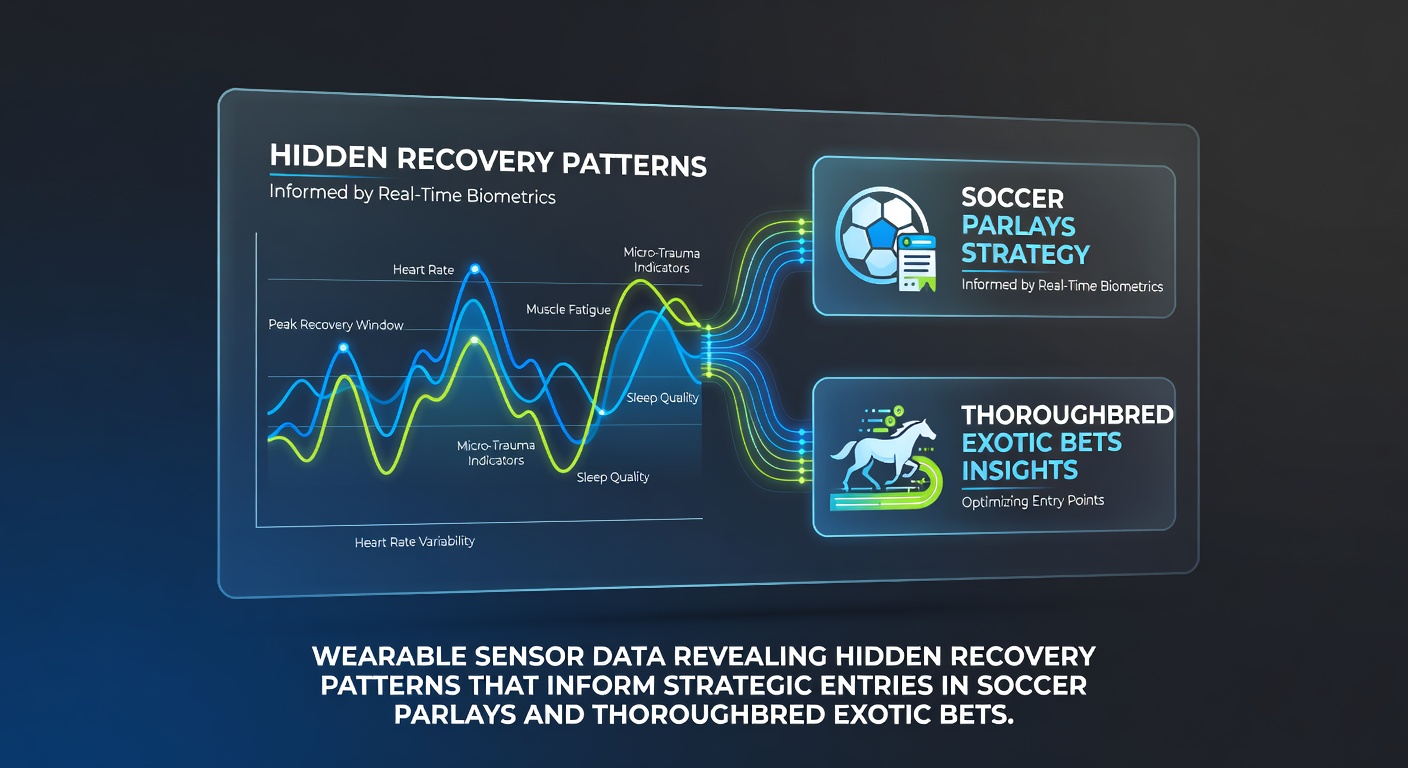
Wearable Sensor Data Revealing Hidden Recovery Patterns That Inform Strategic Entries in Soccer Parlays and Thoroughbred Exotic Bets
Modern sports technology has shifted how analysts track athlete and equine readiness, with wearable sensors capturing continuous streams of biometric information that highlight recovery trends invisible to traditional scouting methods. Heart rate variability readings, muscle oxygen saturation levels, and sleep cycle data now feed directly into performance models used across professional soccer leagues and thoroughbred racing circuits, where these metrics influence selections for multi-leg wagers such as parlays and exotic bets.
Sensor Technologies Driving the Shift
Teams and racing stables deploy GPS-enabled vests alongside optical heart rate monitors and inertial measurement units that record every stride and acceleration during training blocks. In soccer environments, players wear these devices during sessions leading into May 2026 fixtures across major European competitions, while thoroughbred operations attach lightweight equine sensors that monitor stride length, respiratory rate, and core temperature throughout gallops and recovery periods. The resulting datasets allow pattern recognition software to flag when an individual has returned to baseline readiness after high-intensity efforts, creating measurable edges for bettors who incorporate the information into accumulator structures.
Recovery Metrics and Their Predictive Value
Heart rate variability serves as a primary indicator because elevated scores typically correlate with restored autonomic nervous system balance, whereas suppressed values suggest lingering fatigue that could limit output in upcoming contests. Researchers have observed similar patterns in equine subjects, where consistent HRV readings after breezes predict stronger finishes in sprints and routes. Muscle oxygen saturation data adds another layer by revealing how efficiently tissues replenish during rest intervals, and when combined with sleep duration logs, these variables produce composite recovery scores that forecast availability and intensity levels with greater precision than historical form alone.
Applications in Soccer Parlay Construction
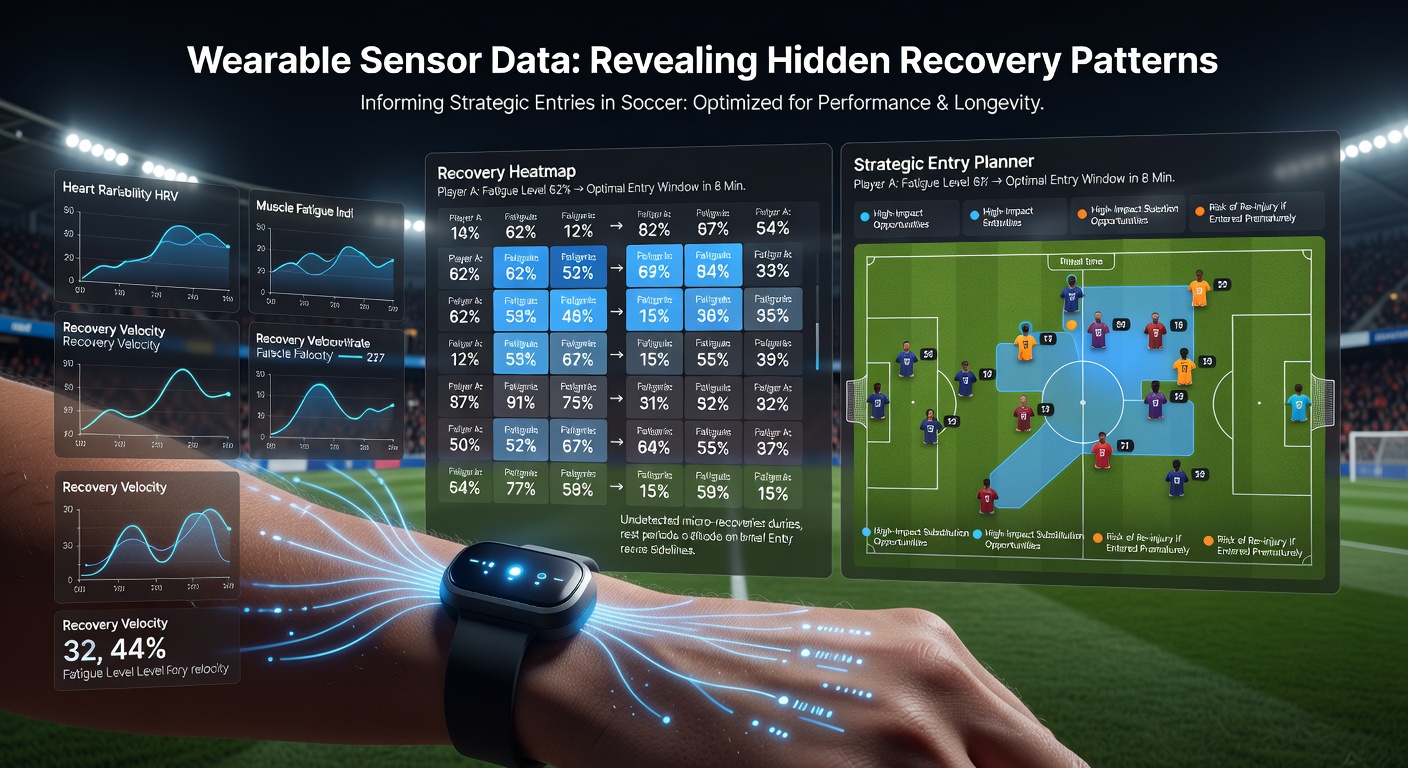
Bettors constructing weekend soccer parlays examine recovery profiles from midweek matches to determine which squads enter the next round with optimal freshness. A midfielder showing rapid return to high HRV after a congested schedule, for instance, often sustains higher work rates that contribute to clean sheets or goal tallies in linked selections. Data compiled during the 2025-2026 campaign shows teams resting key personnel based on sensor thresholds achieved stronger results in subsequent fixtures, directly affecting over/under totals and both-teams-to-score outcomes that form the backbone of many multi-bet strategies.
Integration With Thoroughbred Exotic Wagers
Thoroughbred handicappers apply parallel logic when evaluating exotic bet combinations such as exactas and trifectas. Horses displaying stable muscle oxygen recovery curves after recent starts frequently outperform market expectations in races spaced seven to fourteen days apart. During the spring 2026 racing calendar, several graded stakes events highlighted cases where entrants with superior sensor-derived recovery indices delivered payouts that exceeded tote expectations, particularly when paired with pace scenarios favoring late runners who conserved energy in prior outings. Observers note that stables sharing aggregated recovery reports through industry platforms enable more accurate filtering of contenders likely to sustain speed through the stretch.
Combining Datasets Across Disciplines
Cross-referencing soccer and racing recovery information remains uncommon yet yields insights when bettors seek correlated angles. A player returning from international duty with documented HRV rebound might mirror an equine athlete rebounding from a shipping journey, both scenarios producing measurable performance lifts. American College of Sports Medicine reports detail how such unified monitoring frameworks improve outcome predictability, while peer-reviewed equine studies confirm analogous benefits in thoroughbred cohorts. Bettors who layer these signals into their models adjust stake allocations accordingly, favoring entries where recovery thresholds align with favorable matchup dynamics.
Challenges and Data Limitations
Access to granular sensor outputs stays restricted to team insiders and select analytics providers, which creates information asymmetry that casual participants must navigate through aggregated public summaries. Calibration differences between device manufacturers also introduce variability, requiring normalization steps before cross-athlete or cross-species comparisons become reliable. Despite these hurdles, governing bodies in multiple jurisdictions continue refining data-sharing protocols that balance competitive advantage with transparency requirements for wagering markets.
Conclusion
Wearable sensor outputs have established themselves as core inputs for evaluating hidden recovery patterns that shape both soccer parlay selections and thoroughbred exotic bet structures. As May 2026 competitions unfold, continued refinement of these measurement techniques promises to deepen the connection between biometric readiness and betting market efficiency across both sports.