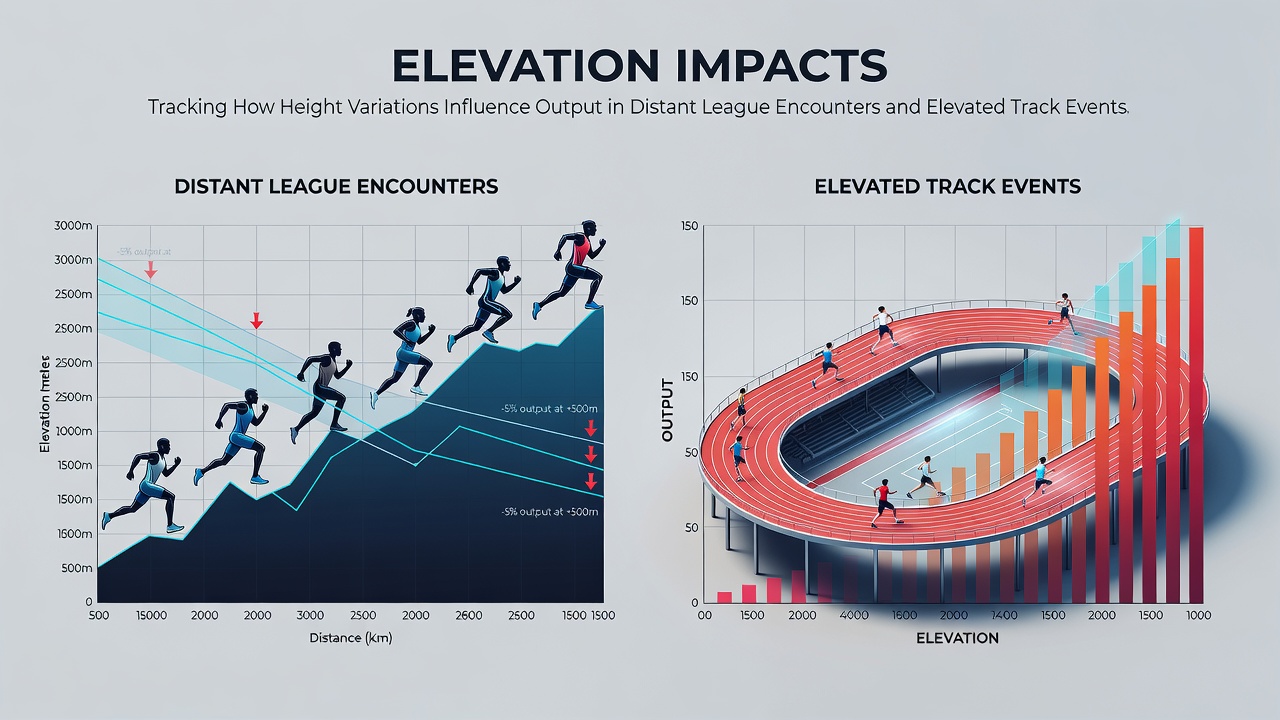
Elevation Impacts: Tracking How Height Variations Influence Output in Distant League Encounters and Elevated Track Events
Height variations alter oxygen availability and cardiovascular demands during athletic output, and researchers track these patterns closely in soccer fixtures played at elevated venues alongside horse racing events on upland tracks. Data from multiple studies indicate that reduced air density at higher altitudes leads to lower oxygen uptake, which forces physiological adjustments in both human athletes and equine competitors while performance metrics shift measurably across away matches and races staged above sea level.
Physiological Mechanisms at Play
Lower partial pressure of oxygen triggers increased heart rate and ventilation rates as the body compensates, and studies reveal that these responses become pronounced above 1,500 meters where endurance-based activities experience the clearest decrements in sustained power output. Observers note that soccer players covering long distances during distant league encounters exhibit reduced high-intensity running volumes when matches occur at altitude, whereas horses in track events display altered stride efficiency and recovery intervals between bursts of speed.
Soccer Performance in Elevated Away Fixtures
League schedules that send teams to highland stadiums create distinct patterns in match statistics, with visiting sides recording lower pass completion rates and fewer shots on target according to aggregated performance databases. Evidence from South American competitions highlights how clubs based near sea level adapt their tactics before traveling to venues such as those in Bolivia and Ecuador, and figures reveal measurable drops in expected goals when games unfold at elevations exceeding 2,500 meters. Those who monitor fixture lists observe that acclimatization periods of several days allow some squads to mitigate these effects, yet data continues to show persistent gaps in physical output during the opening phases of such encounters.
Track Events and Equine Output at Altitude
Horse racing on elevated circuits introduces comparable variables where thinner air influences respiratory efficiency and overall pace distribution across distances. Records from venues in regions like the western United States and parts of southern Africa demonstrate that winning times lengthen on average when races take place above 1,800 meters, and speed figures compiled by racing authorities reflect slower sectional splits in longer events. Jockeys and trainers adjust preparation routines to account for these conditions, while biomechanical analyses indicate changes in stride length and ground reaction forces that affect final placings in competitive fields.
Data Patterns Across Seasons
Longitudinal tracking of results demonstrates seasonal consistency in these altitude-related shifts, and analysts compile datasets that separate home versus away performances at varying elevations. In July 2026, monitoring programs across multiple jurisdictions continued to log fixture outcomes from both soccer leagues and racing calendars, allowing comparisons that isolate height as a contributing factor alongside other variables such as pitch conditions and travel fatigue. Researchers cross-reference these records with physiological measurements taken during training camps, and the resulting models help predict output ranges for participants moving between low and high venues.
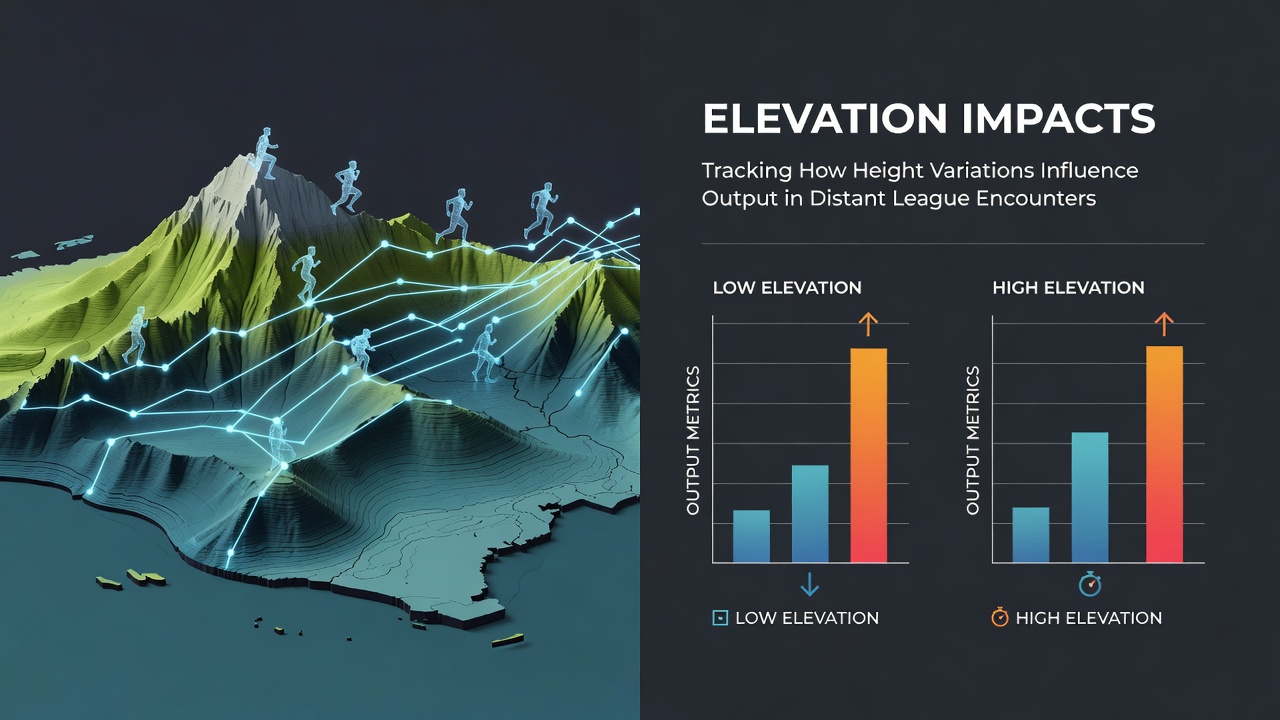
Comparative Analysis Between Sports
Although soccer and horse racing differ in participant physiology, shared environmental stressors produce parallel effects on energy systems and recovery demands. Performance logs indicate that both domains experience amplified impacts during prolonged efforts, while shorter explosive actions show less pronounced changes at moderate elevations. Those studying multi-sport datasets note how teams and stables employ altitude simulation chambers during preparation phases, and metrics from controlled trials support the value of such interventions in narrowing performance gaps during actual competition.
Measurement Tools and Tracking Methods
Modern approaches combine wearable sensors with environmental monitoring stations to capture real-time data on heart rate variability, oxygen saturation, and movement patterns. Governing bodies in various regions maintain repositories that integrate these inputs with match and race results, creating searchable archives that reveal trends across years of competition. Academic institutions contribute additional layers through field studies that validate laboratory findings against live event conditions, and the combined evidence base grows steadily as technology improves data granularity.
Conclusion
Height variations continue to shape competitive outputs in distant league soccer encounters and elevated track events through well-documented effects on oxygen delivery and physical capacity. Ongoing collection of performance statistics alongside physiological measurements provides an expanding foundation for understanding these influences, and the patterns identified support informed preparation strategies across both sports.